Author: Marcel Proust
Adapted by Stéphane Heuet and Stanislas Brézet
Publisher: Guy Delcourt Productiors
Vol. 1: Combray, 72 pgs, 1998
Vol. 2: À l’ombre des jeunes filles en fleurs, 48 pgs, 2000
Vol. 3: À l’ombre des jeunes filles en fleurs, part 2, 48 pgs, 2002
ISBN: 2-84055-218-3 2-84055-381-3
Hardcover
Condition: Very Good to Excellent in all aspects.
Of all the novels to try to turn into an illustrated version, Proust’s Remembrance of Things Past would be among the very least promising. It is a hugely interior work. Visualizing, in static images, the Proustian emotions and the accumulating density of feeling must be exceptionally hard. But this 3-volume set does an excellent job of capturing that interiority, together with the physical and cultural landscapes of Proust’s time. It is wonderful that the illustrators accepted the challenge and awesome that they succeeded.
An idle thought follows: would they have been as successful if they themselves were not French? It is possible for an author or artist to transcend his or her nationality, but rarely for this kind of work. Now let’s see them try Walden Pond!
Author: Marcel Proust
Adapted by Stéphane Heuet and Stanislas Brézet
Publisher: Guy Delcourt Productiors
Vol. 1: Combray, 72 pgs, 1998
Vol. 2: À l’ombre des jeunes filles en fleurs, 48 pgs, 2000
Vol. 3: À l’ombre des jeunes filles en fleurs, part 2, 48 pgs, 2002
ISBN: 2-84055-218-3 2-84055-381-3
Hardcover
Condition: Very Good to Excellent in all aspects.
Of all the novels to try to turn into an illustrated version, Proust’s Remembrance of Things Past would be among the very least promising. It is a hugely interior work. Visualizing, in static images, the Proustian emotions and the accumulating density of feeling must be exceptionally hard. But this 3-volume set does an excellent job of capturing that interiority, together with the physical and cultural landscapes of Proust’s time. It is wonderful that the illustrators accepted the challenge and awesome that they succeeded.
An idle thought follows: would they have been as successful if they themselves were not French? It is possible for an author or artist to transcend his or her nationality, but rarely for this kind of work. Now let’s see them try Walden Pond!
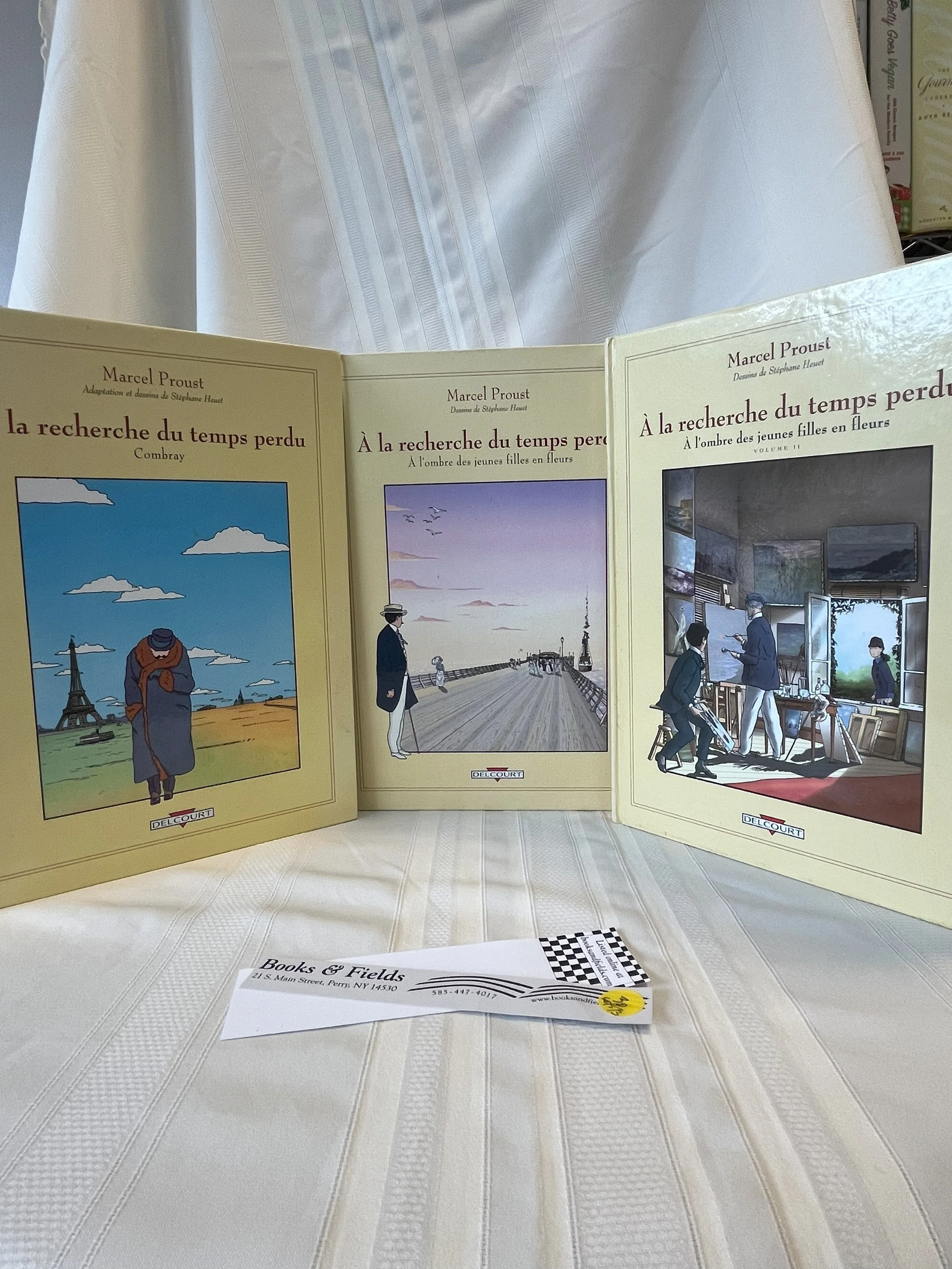 Image 1 of 23
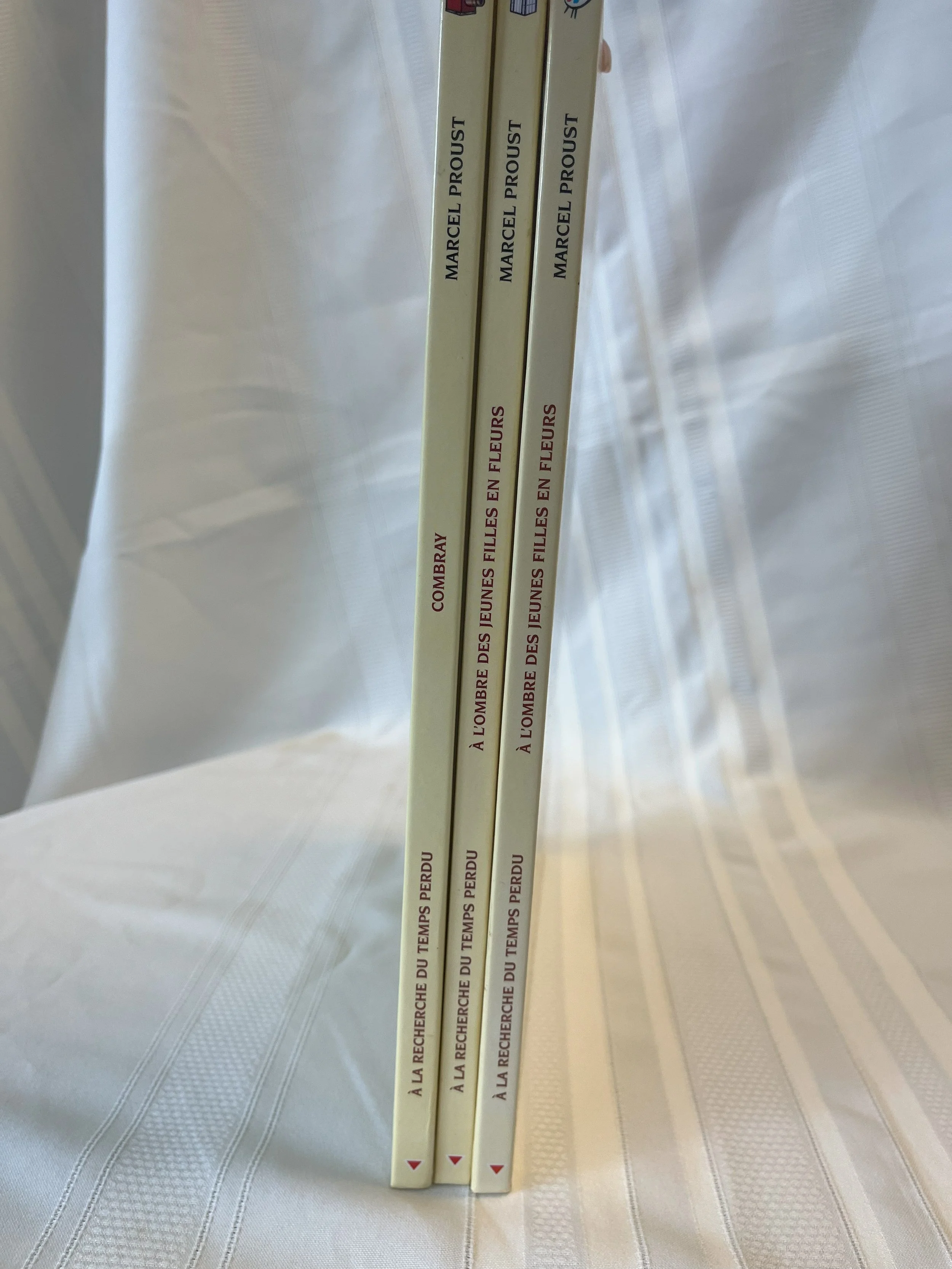 Image 2 of 23
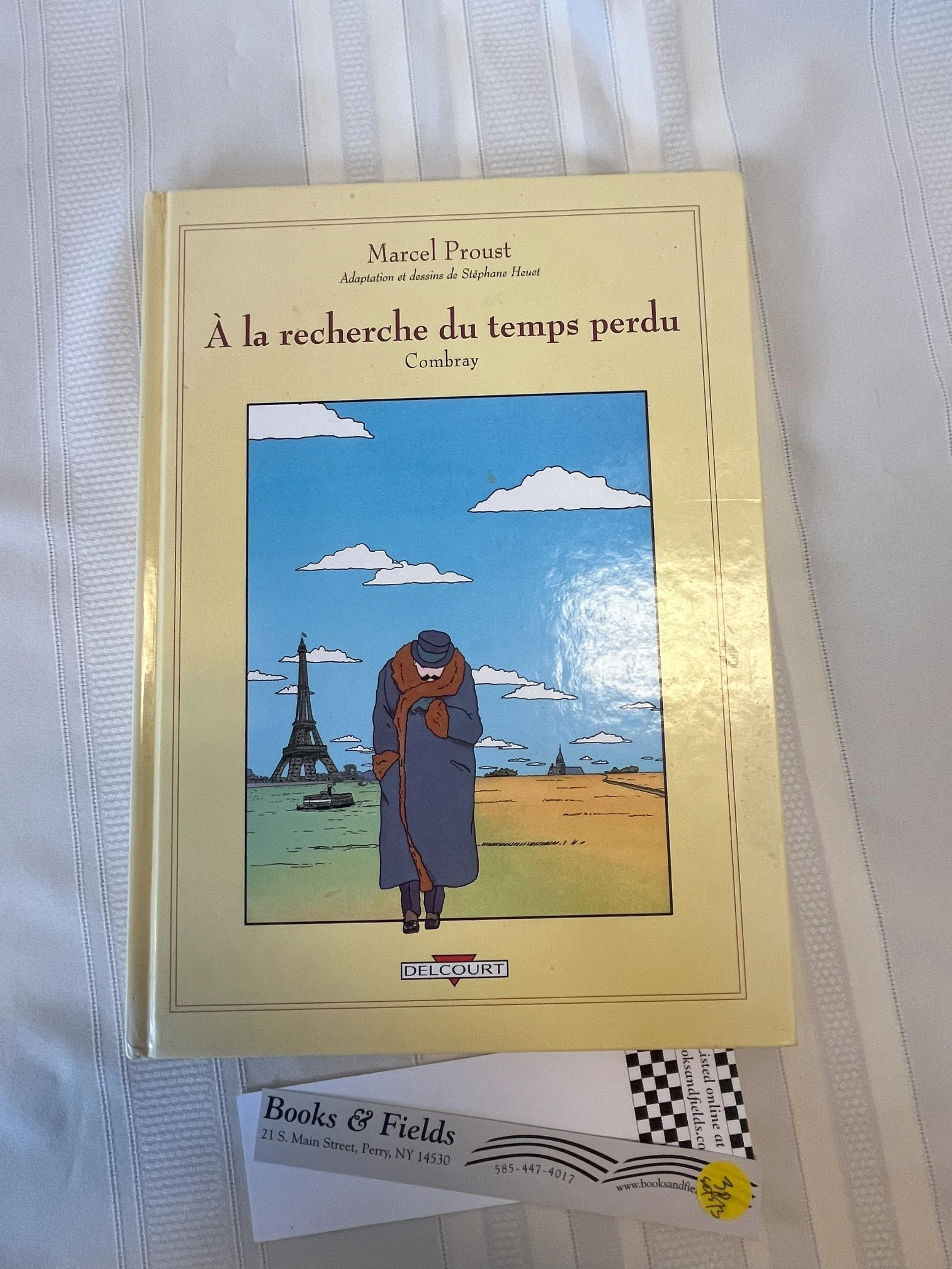 Image 3 of 23
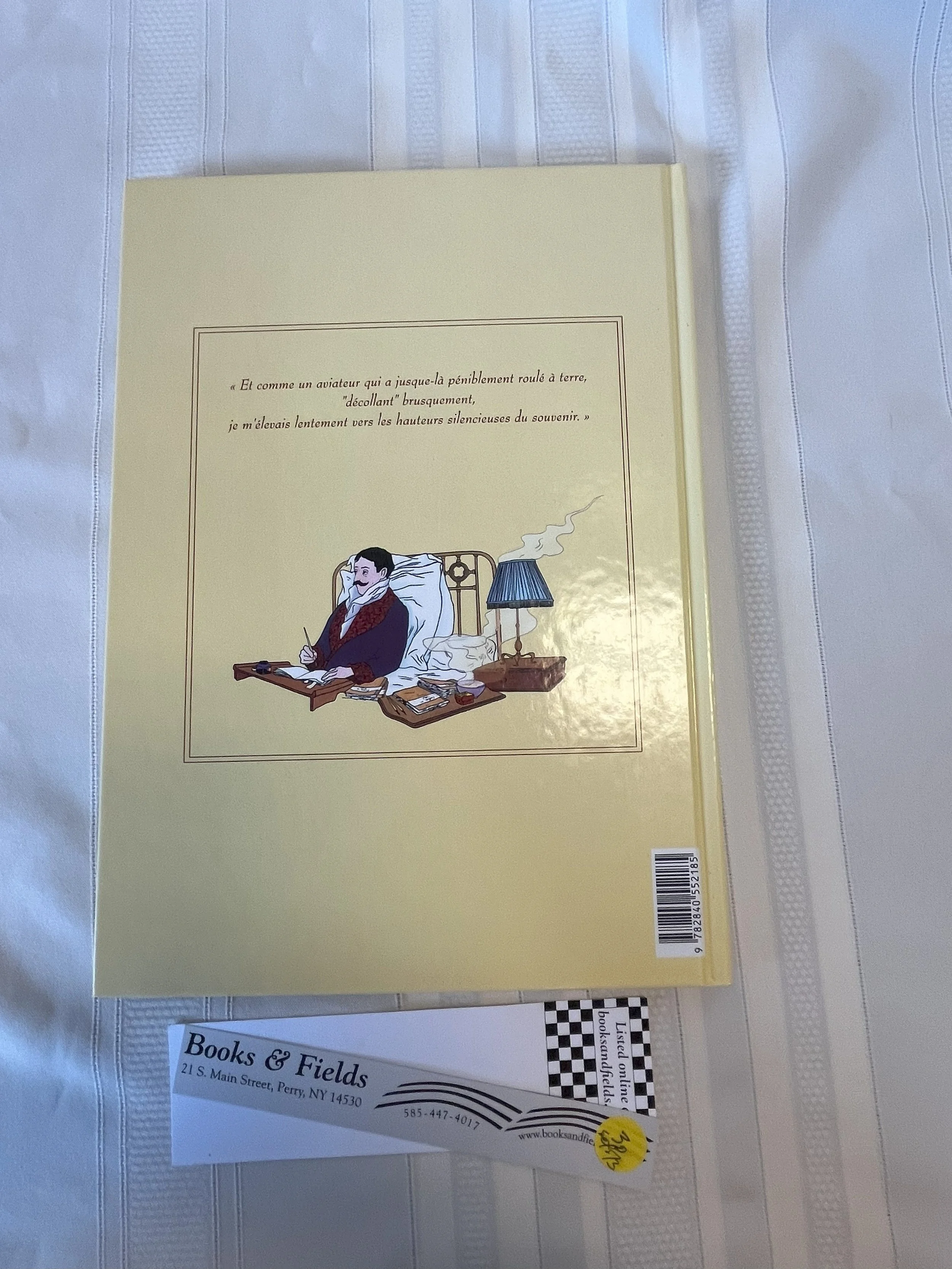 Image 4 of 23
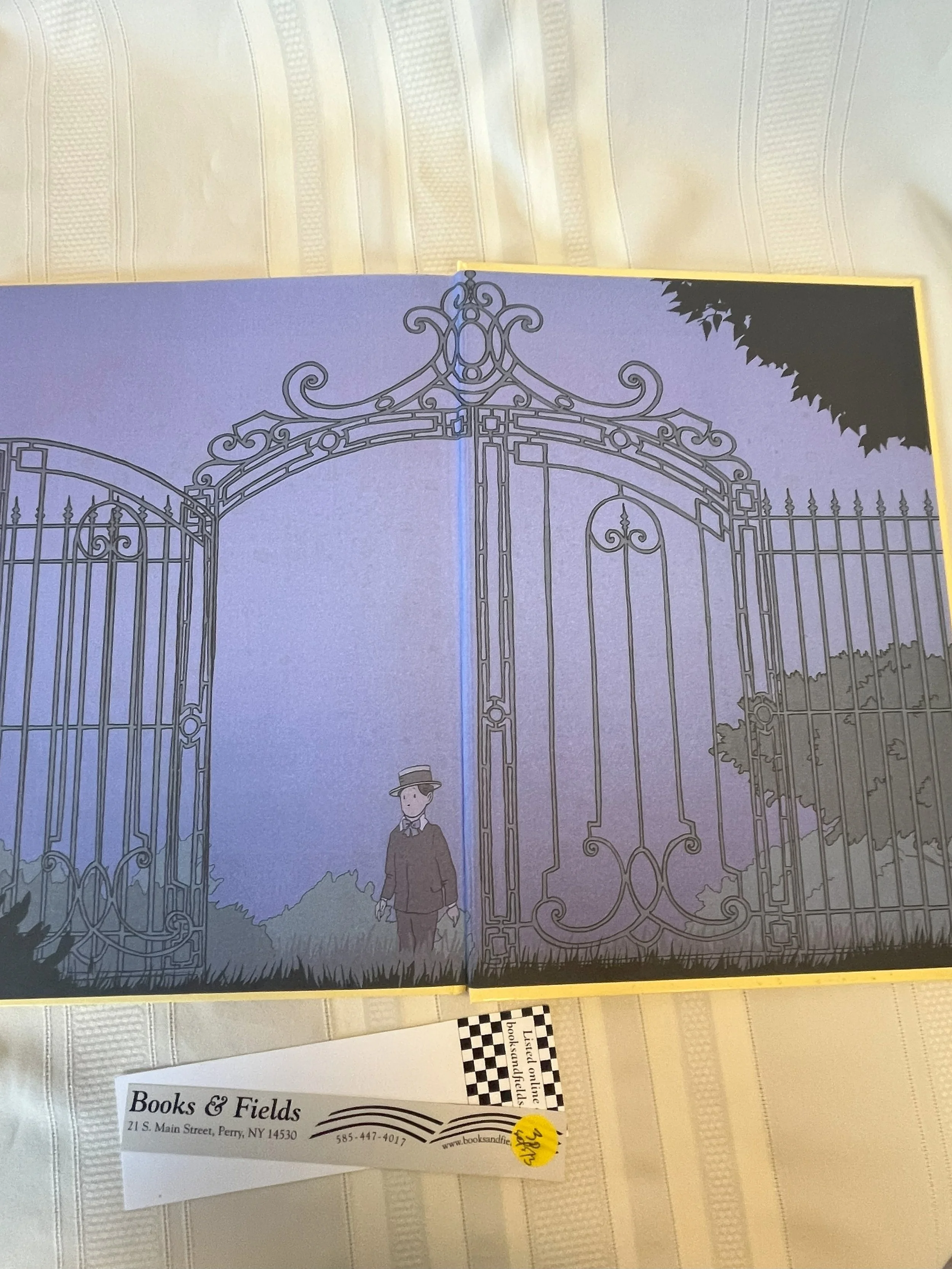 Image 5 of 23
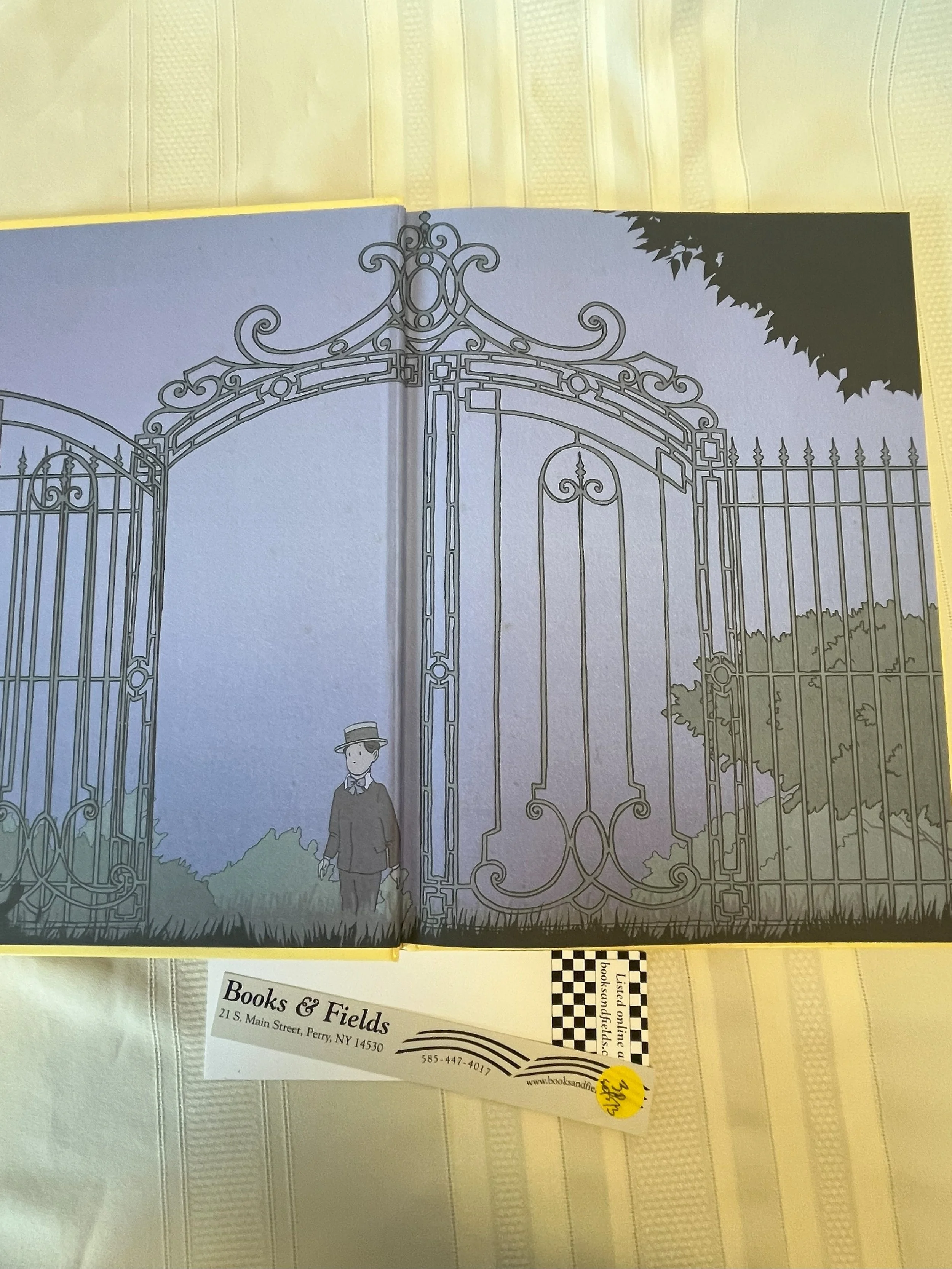 Image 6 of 23
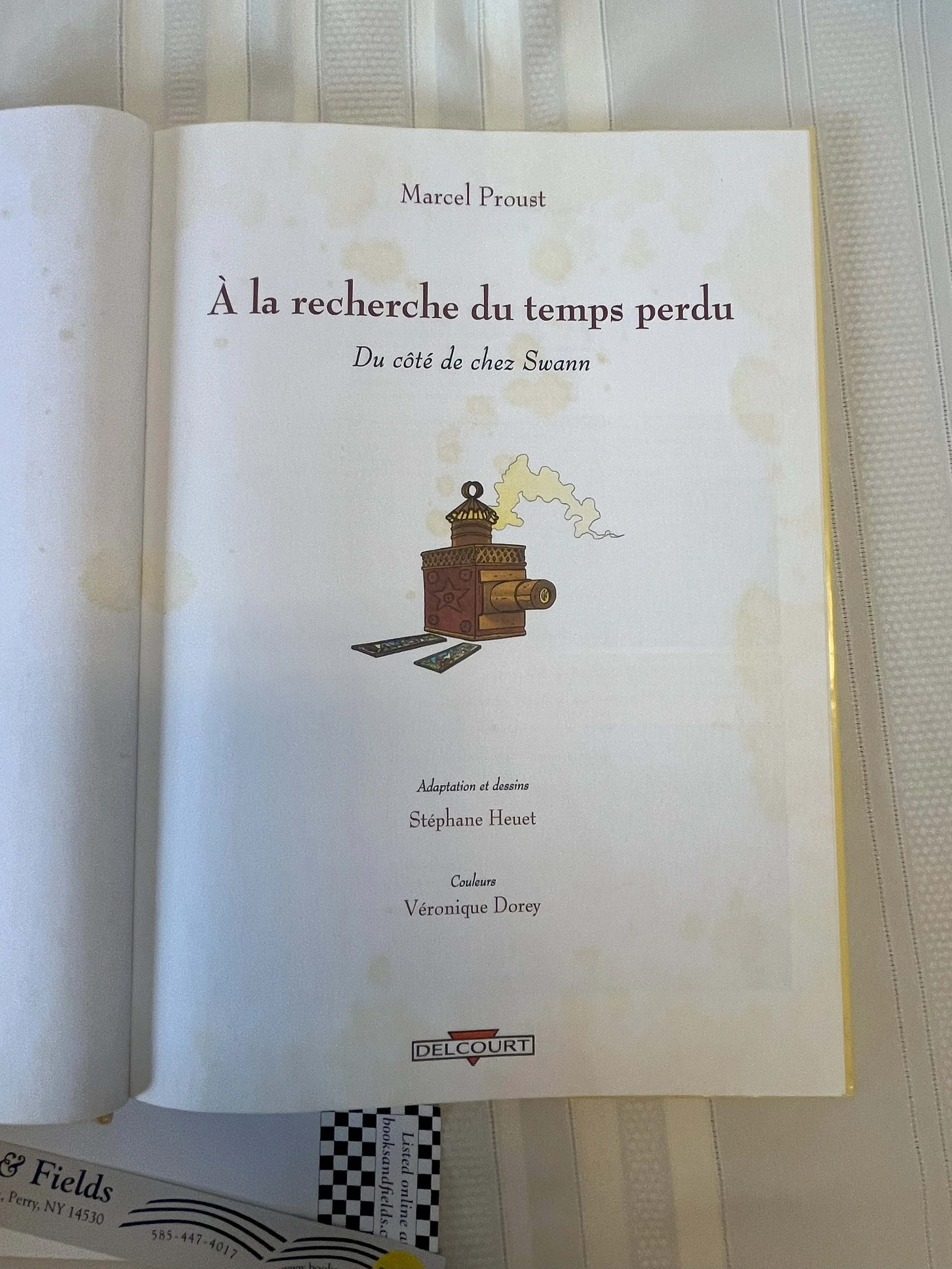 Image 7 of 23
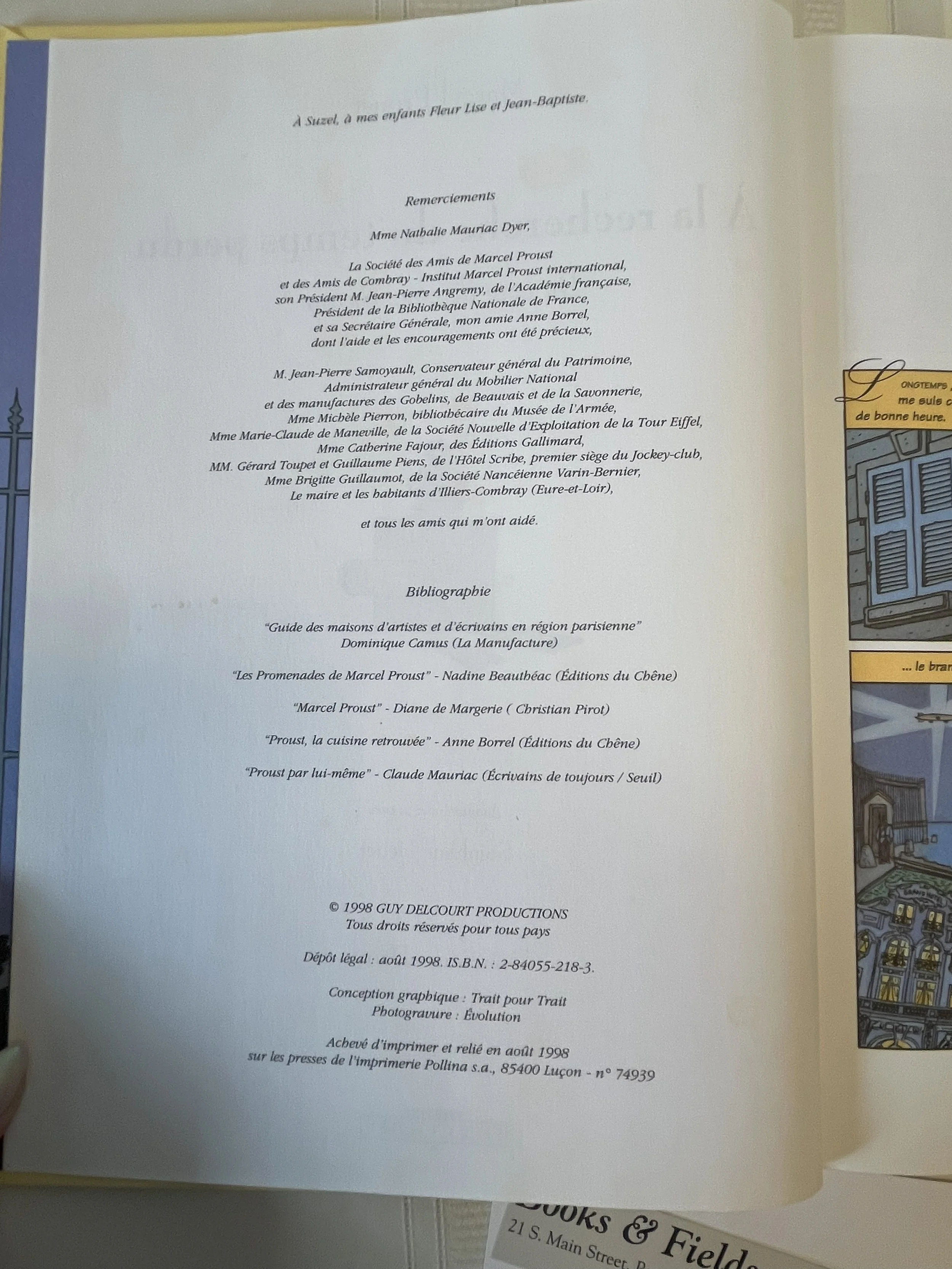 Image 8 of 23
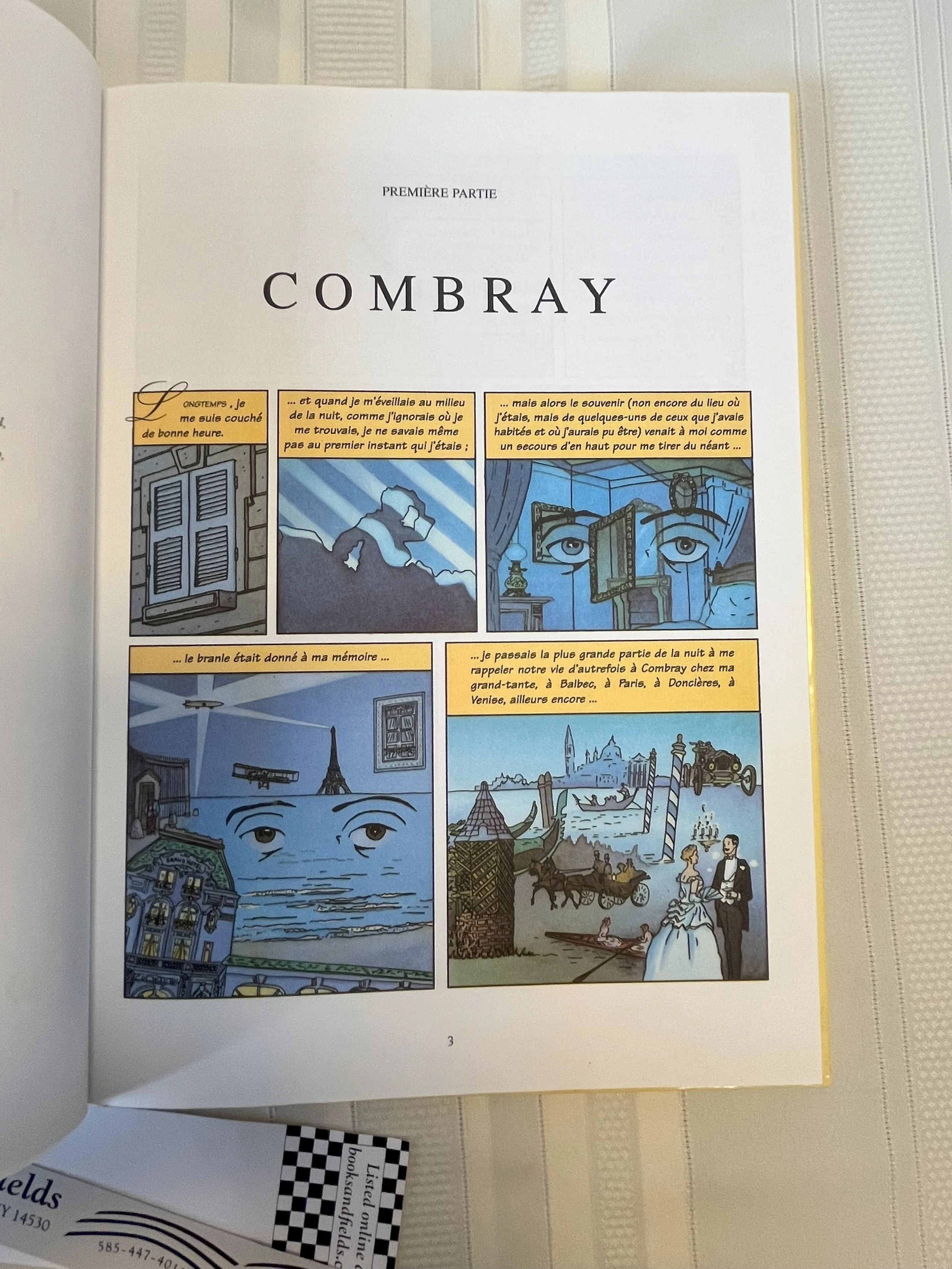 Image 9 of 23
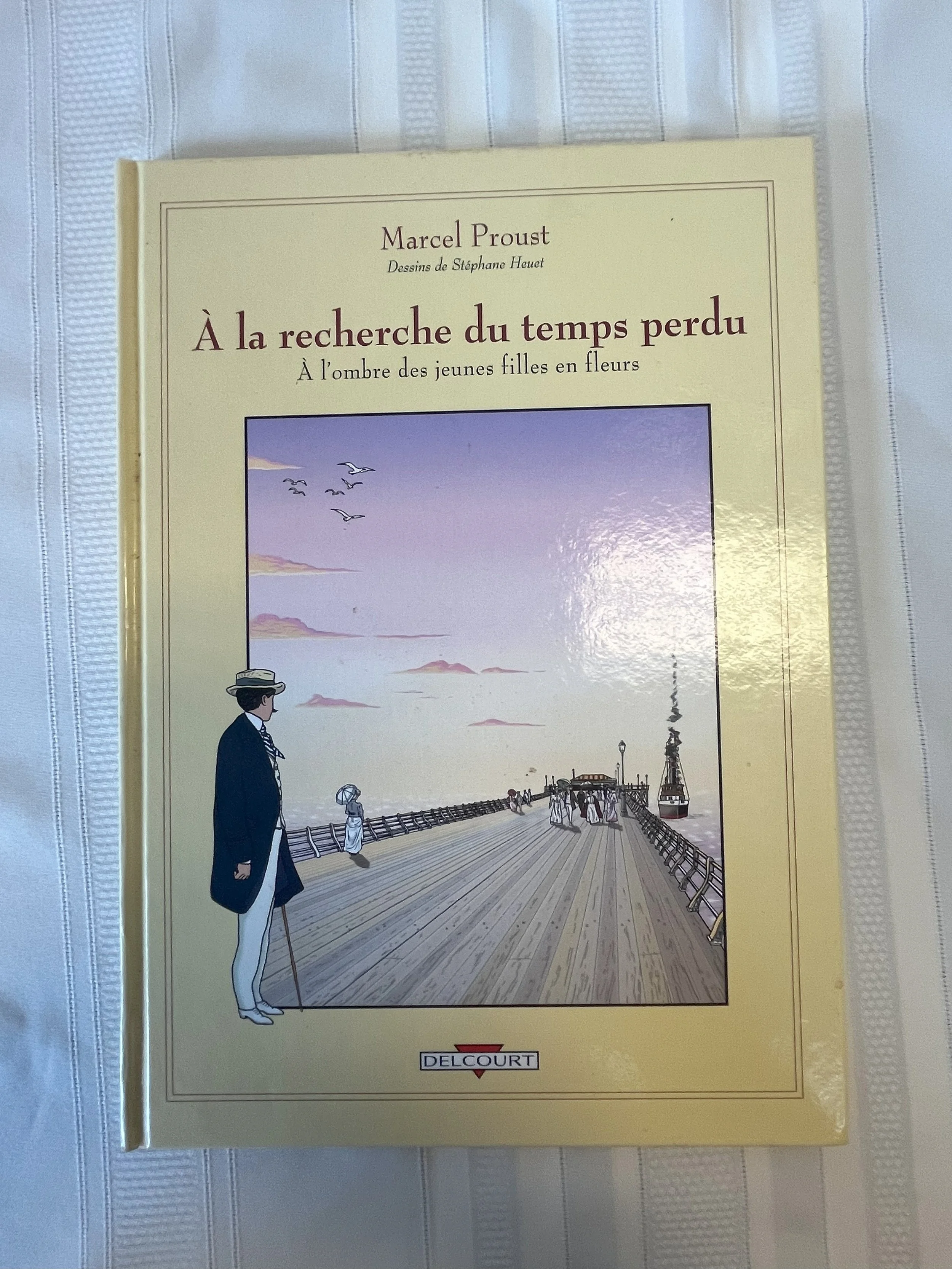 Image 10 of 23
 Image 11 of 23
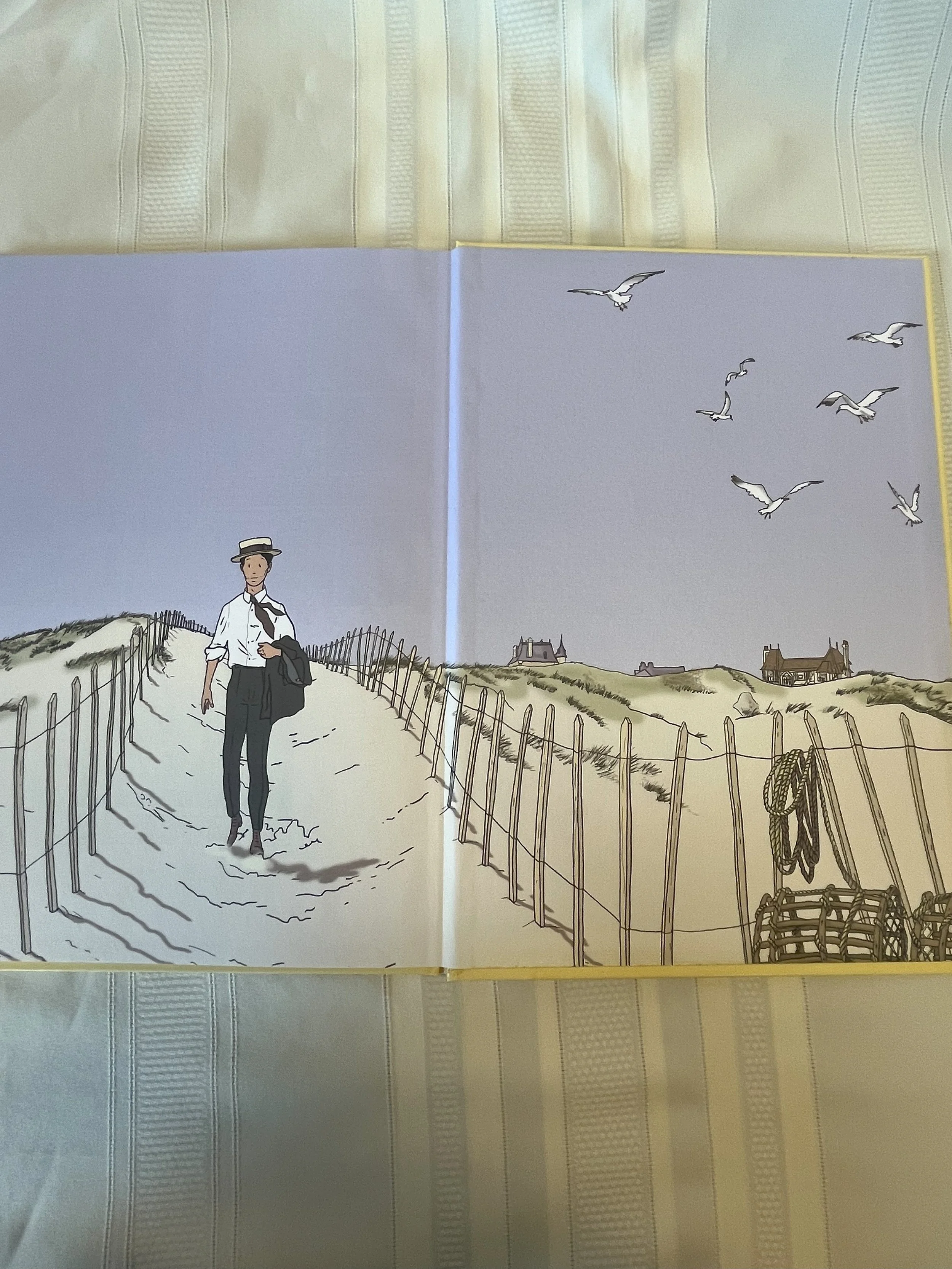 Image 12 of 23
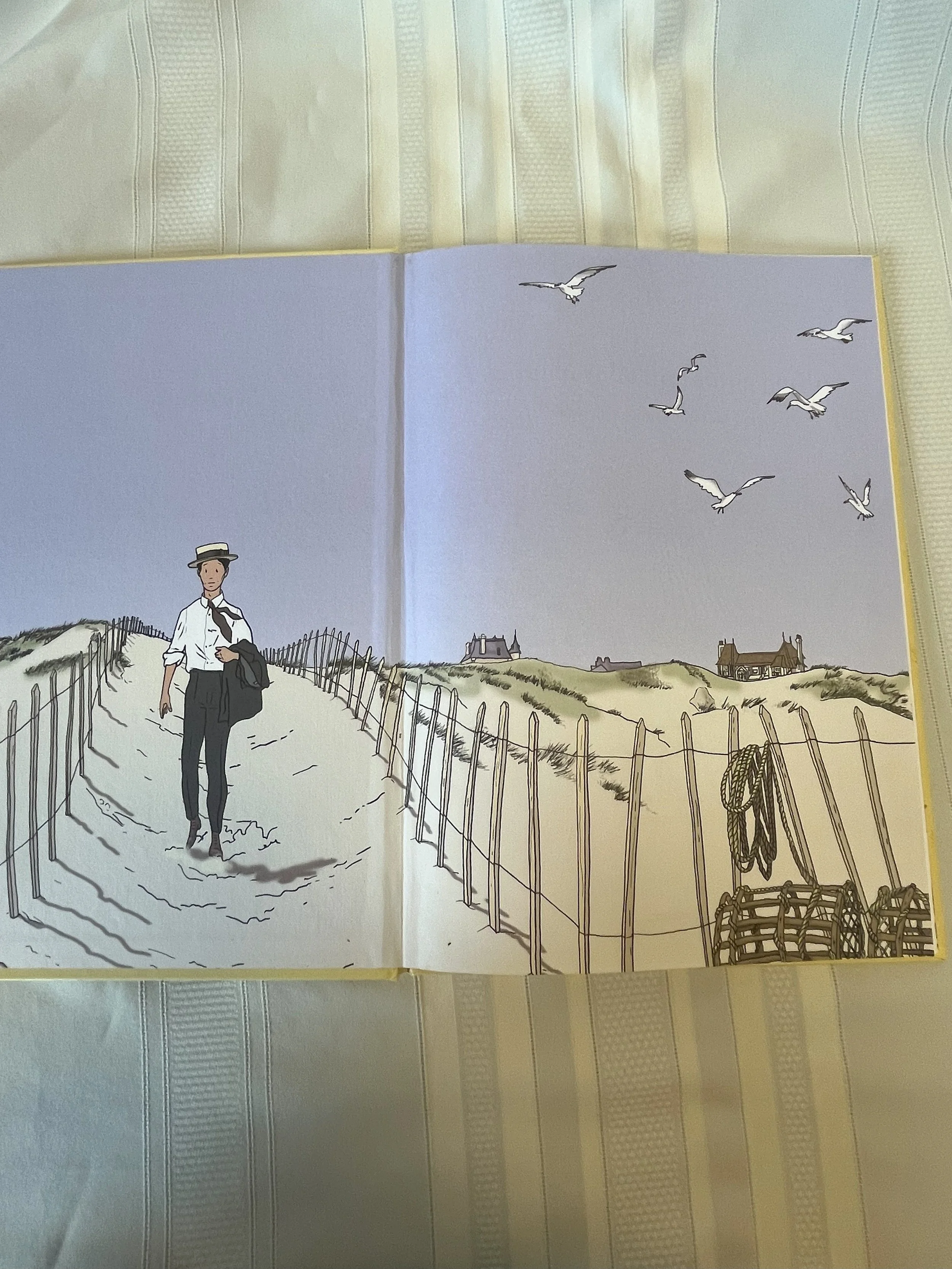 Image 13 of 23
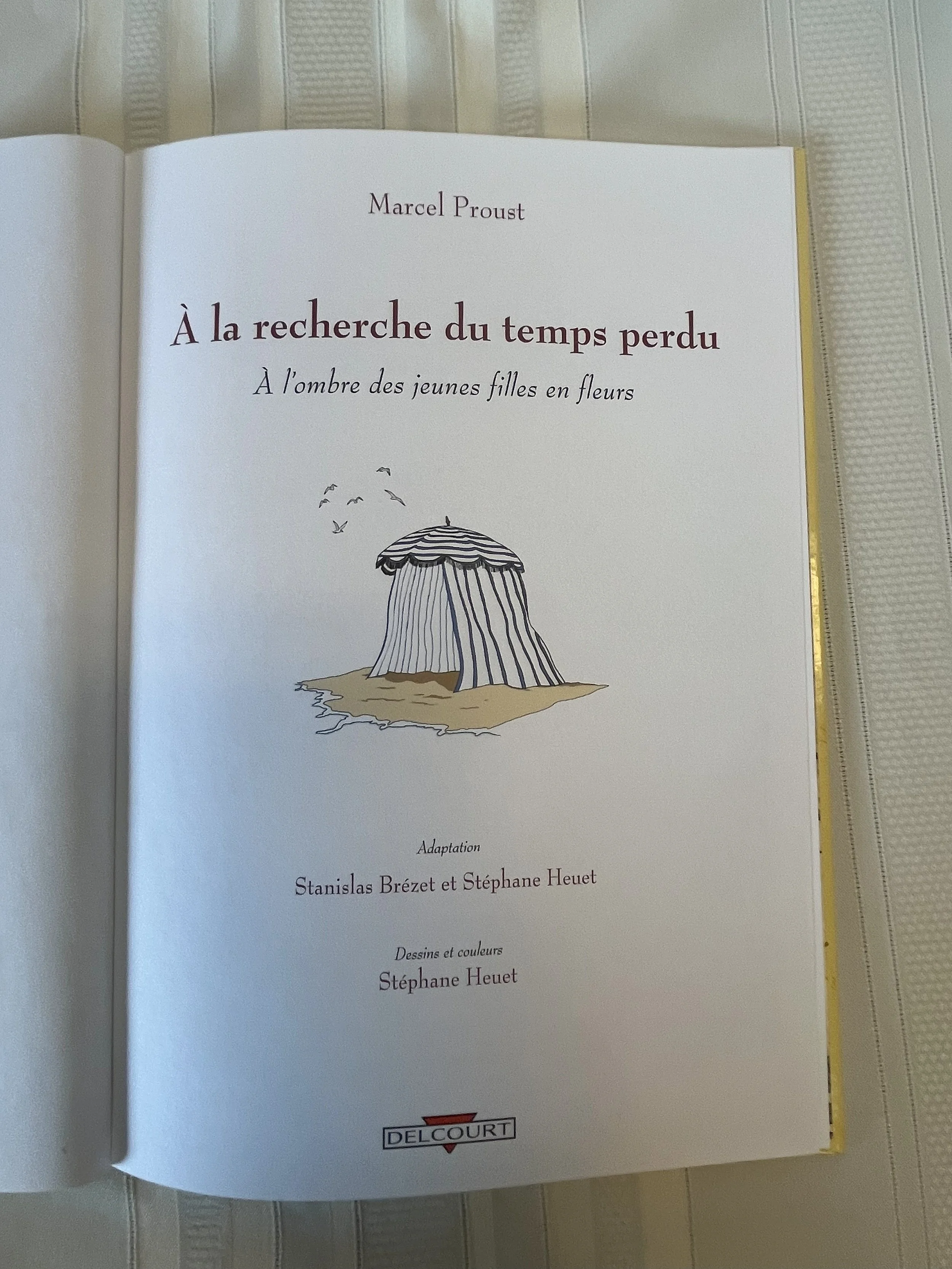 Image 14 of 23
 Image 15 of 23
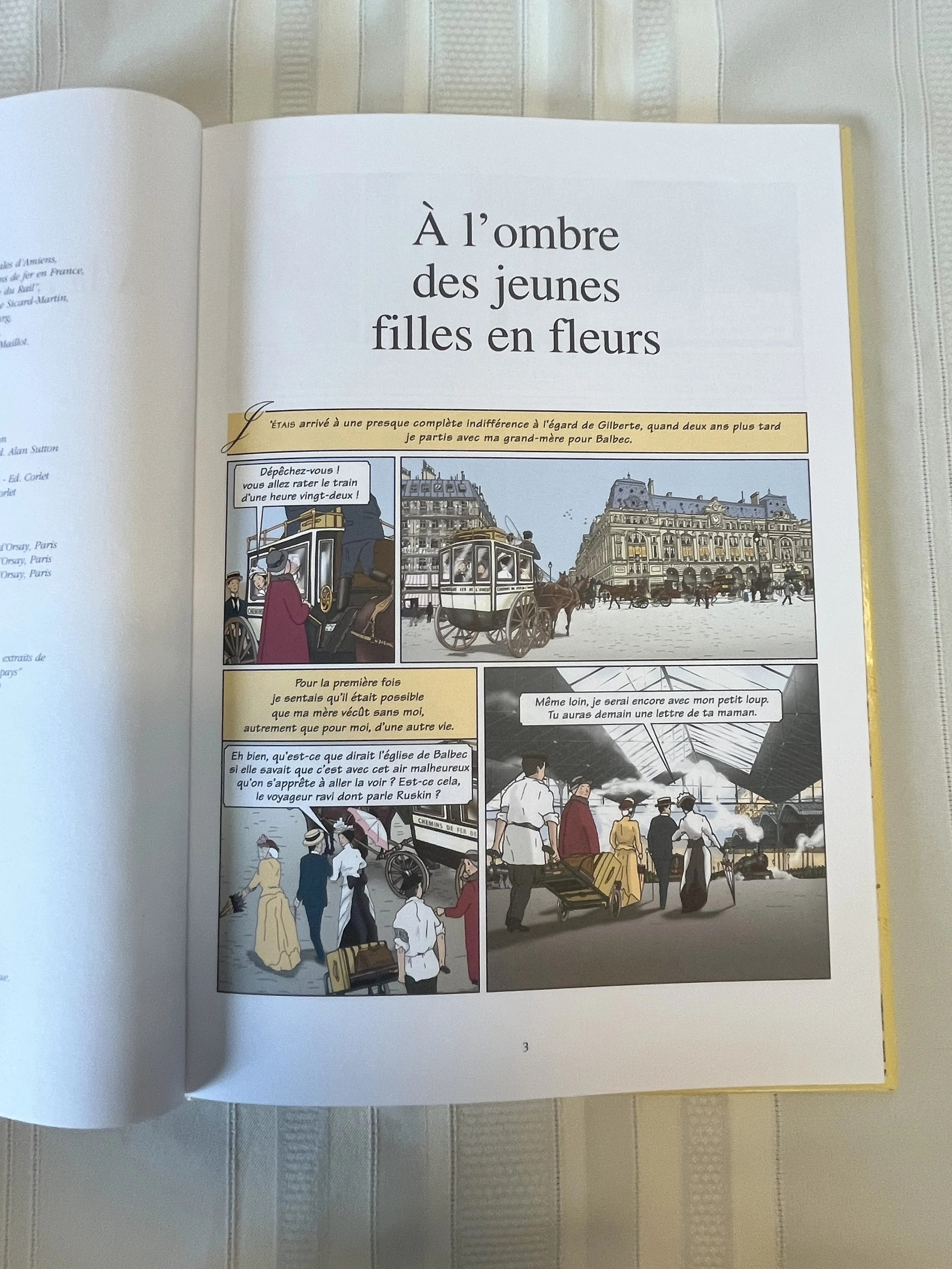 Image 16 of 23
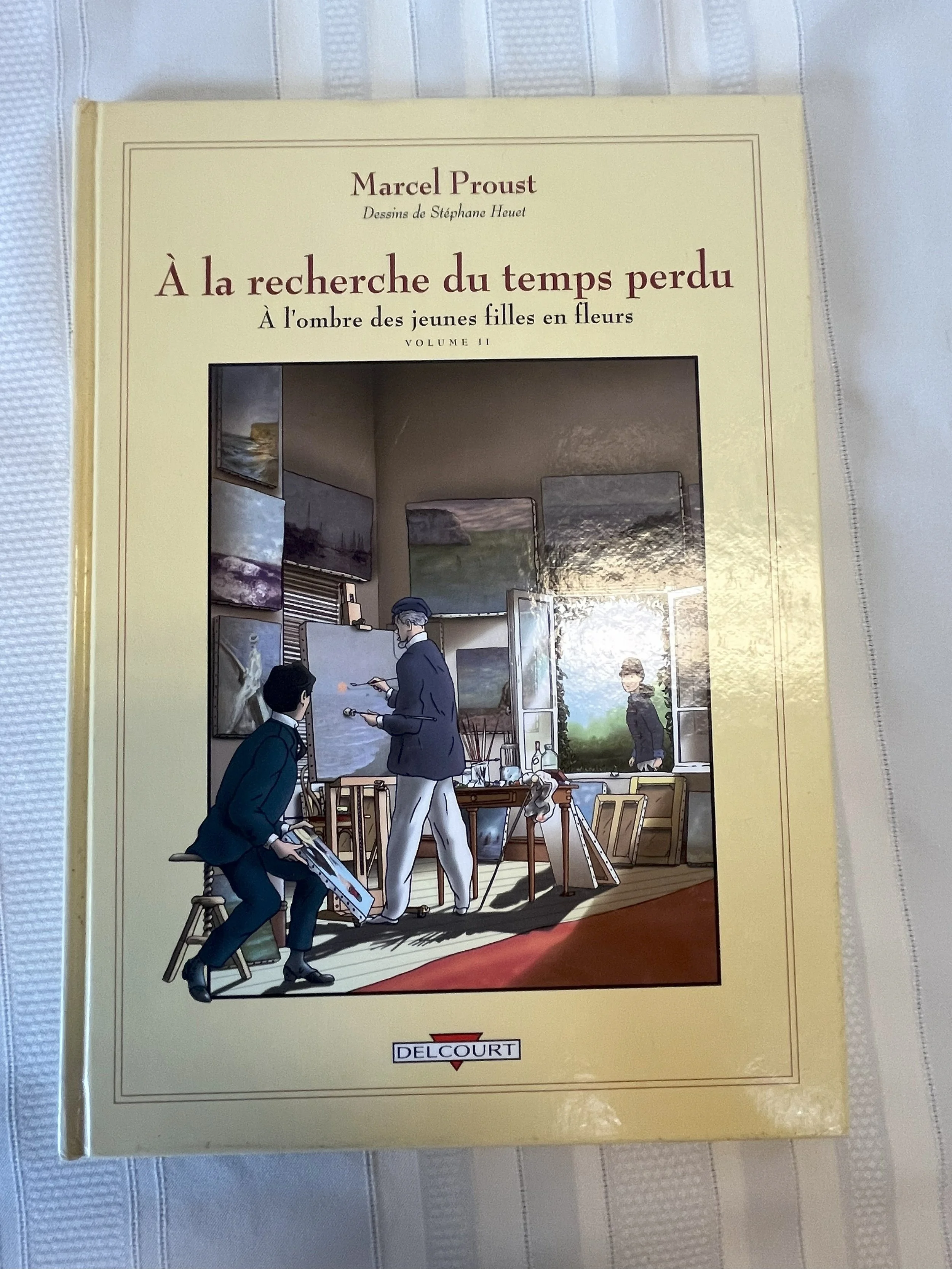 Image 17 of 23
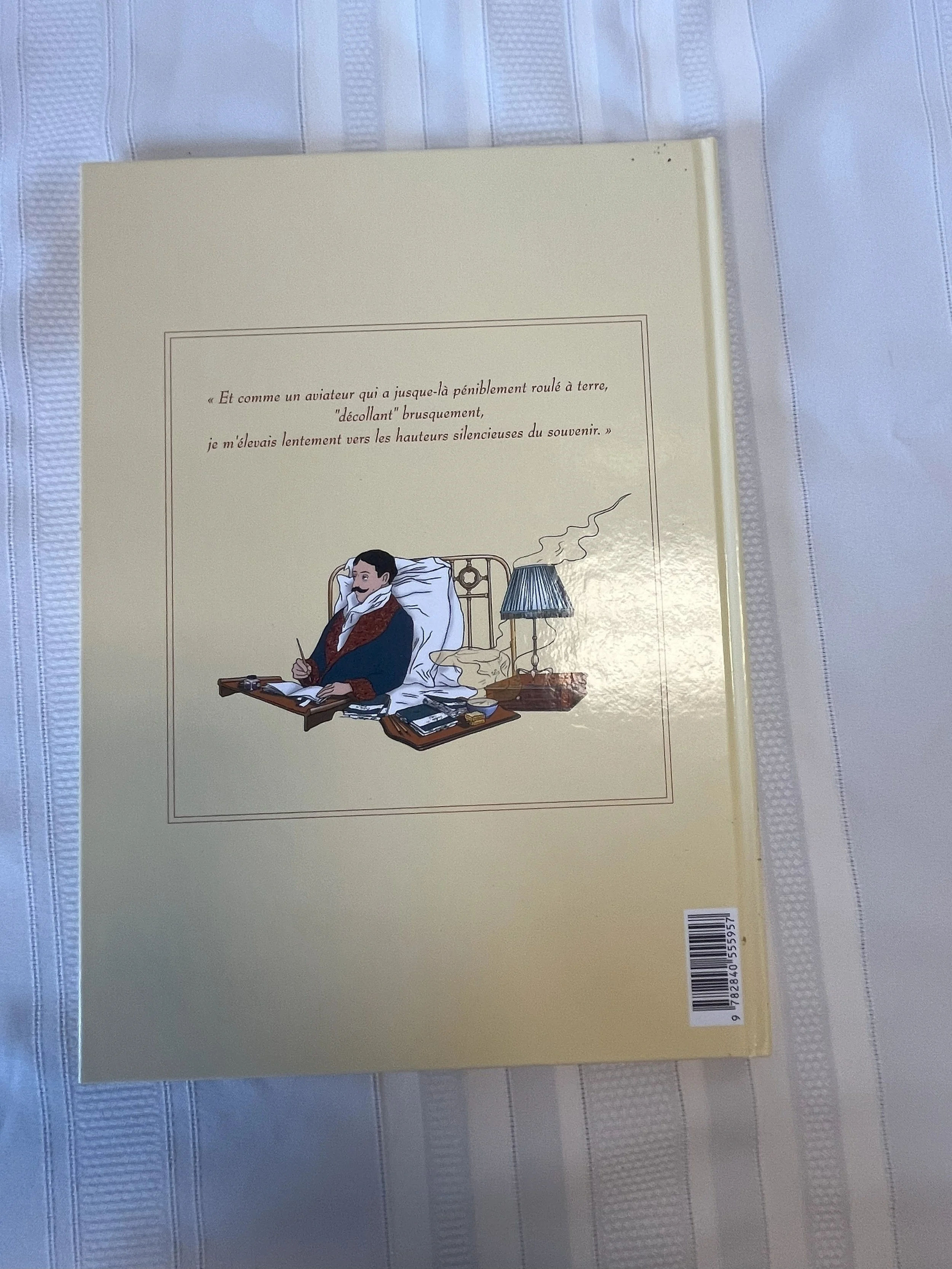 Image 18 of 23
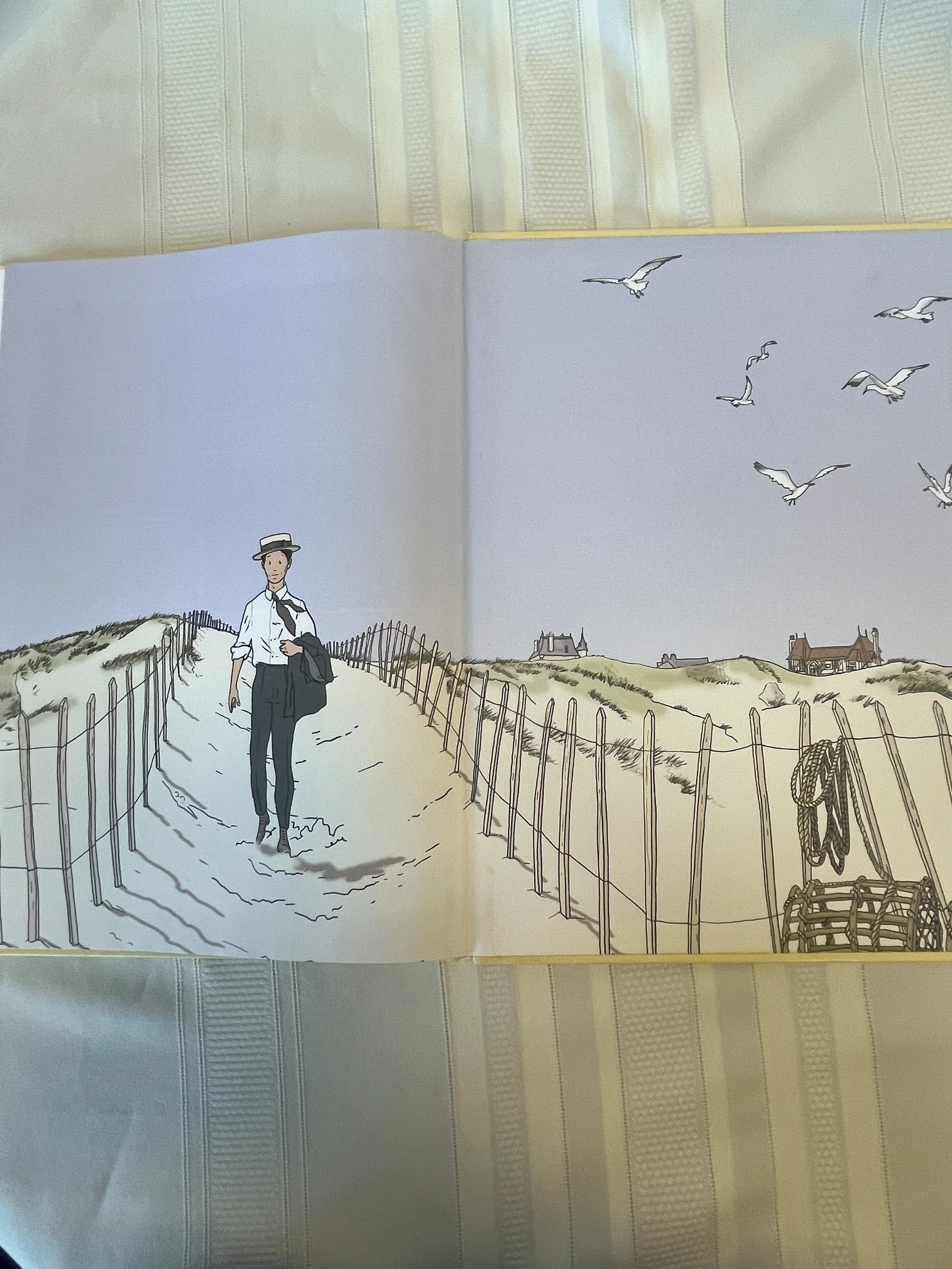 Image 19 of 23
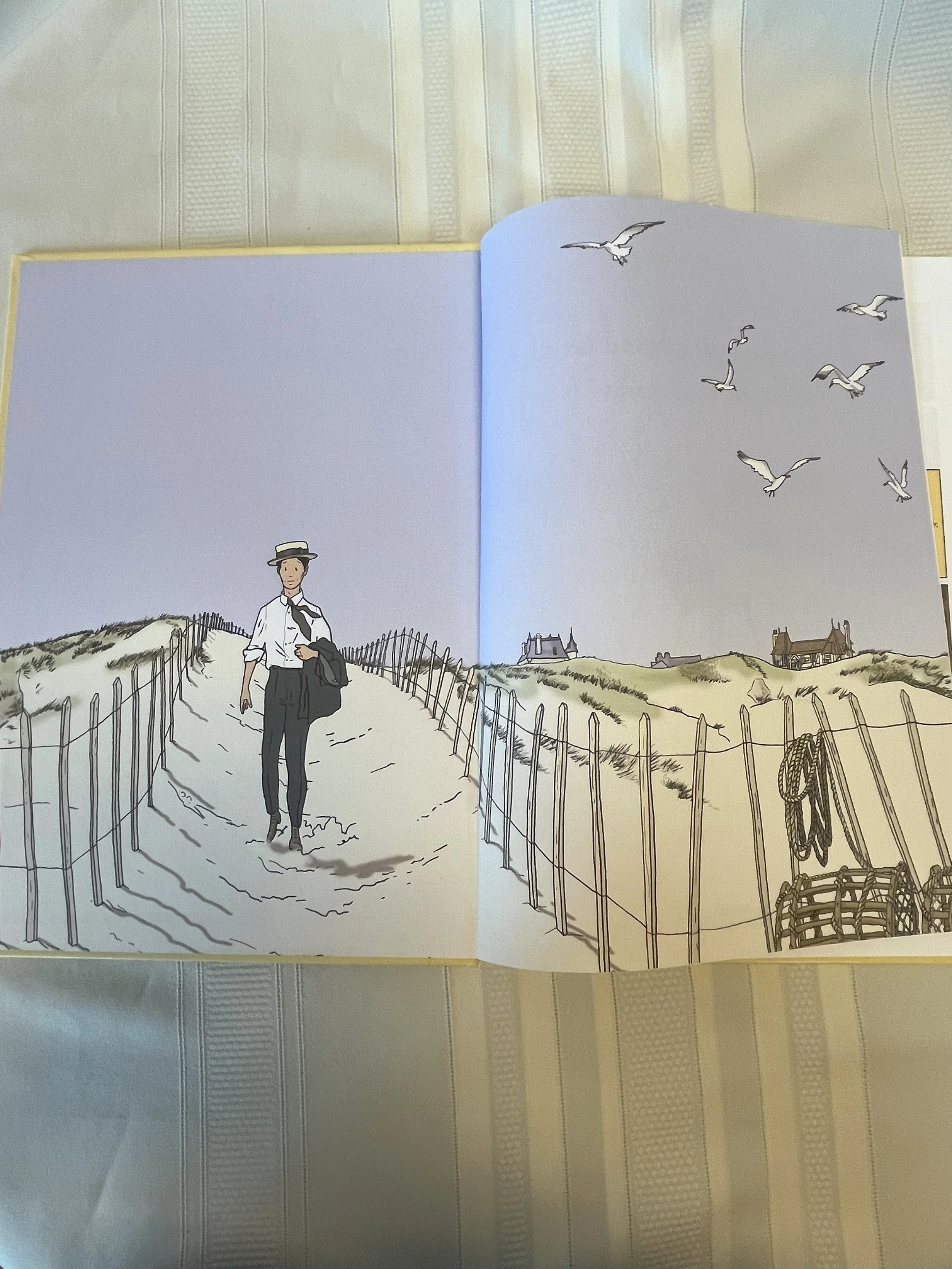 Image 20 of 23
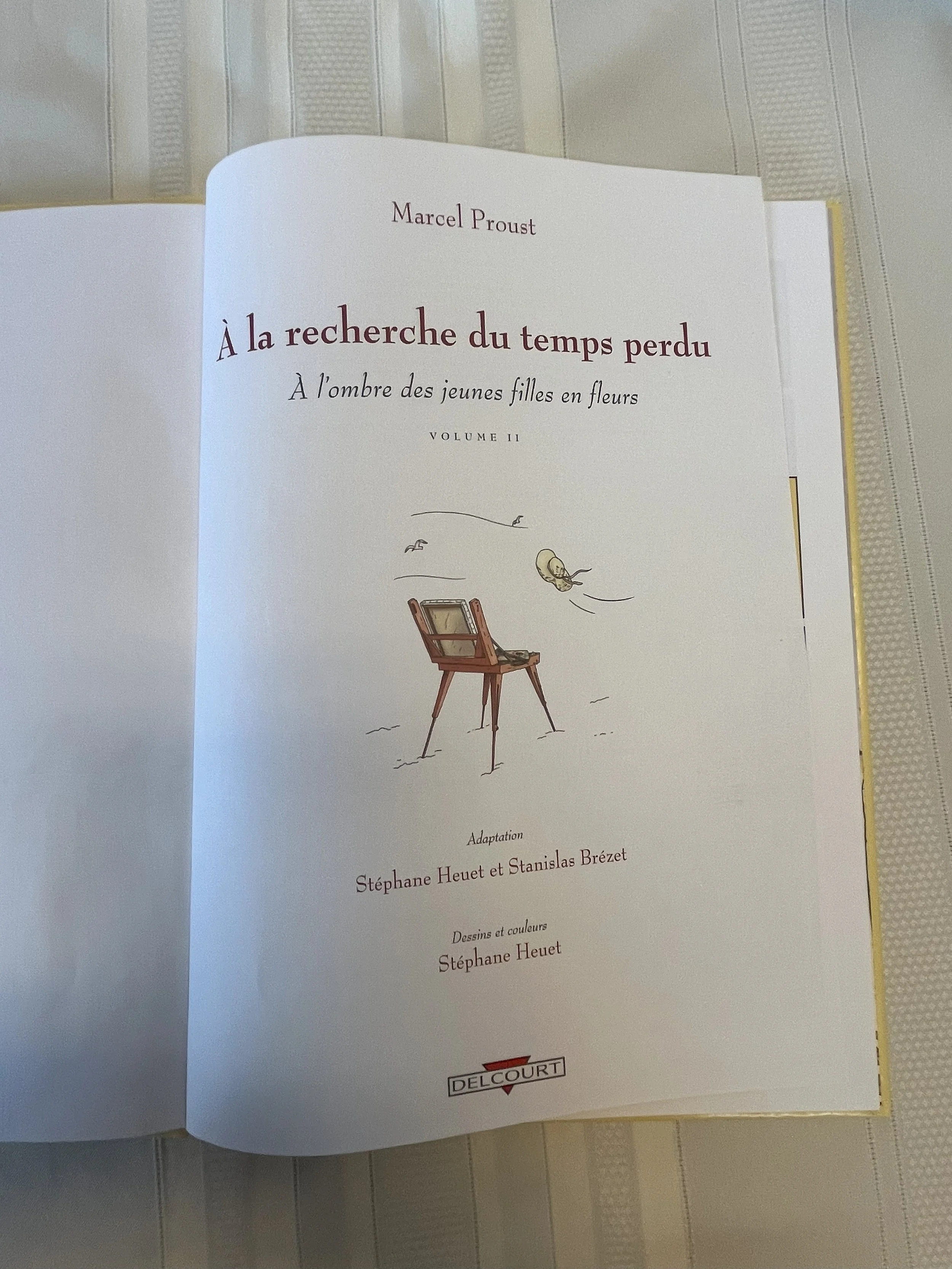 Image 21 of 23
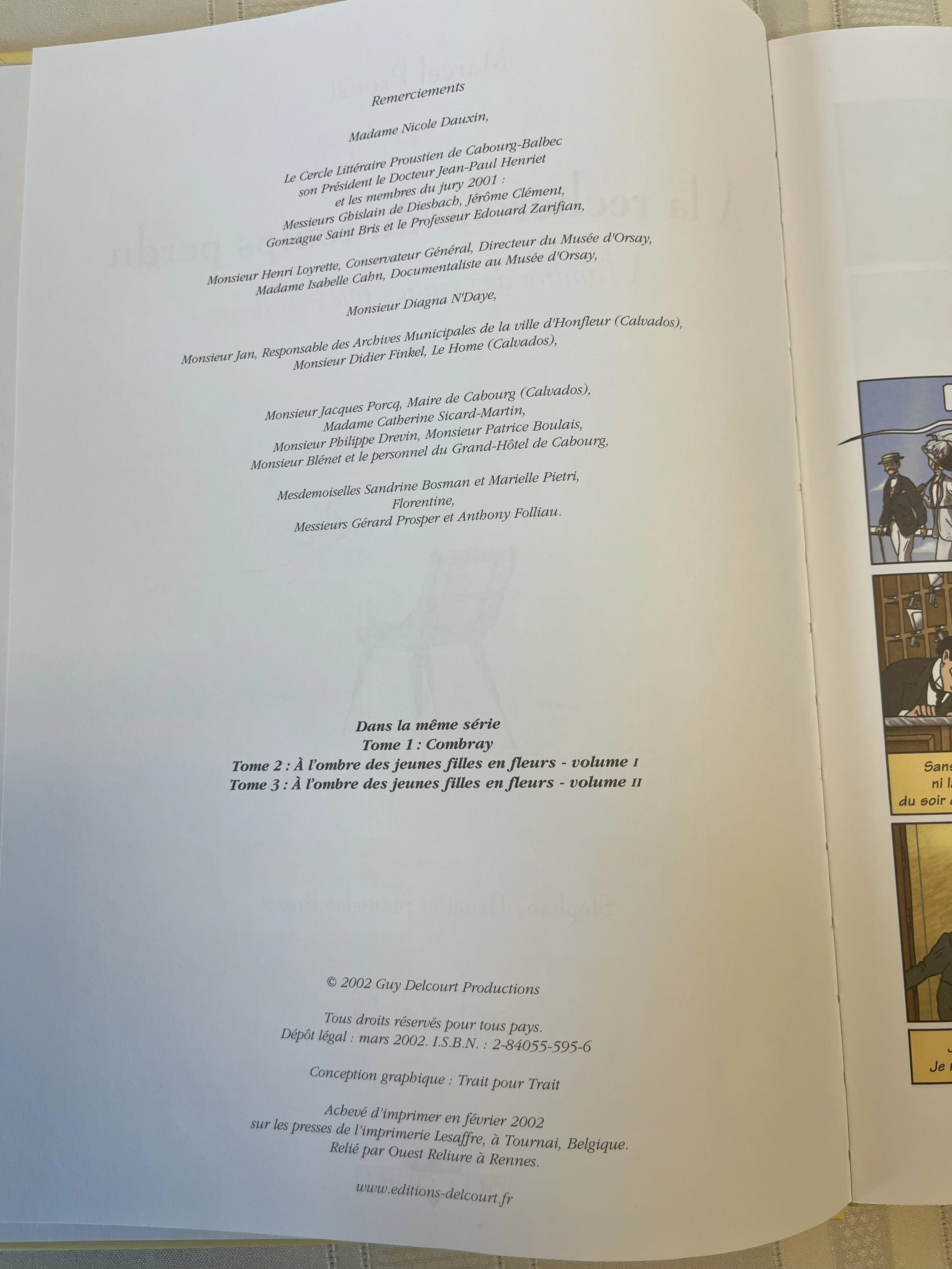 Image 22 of 23
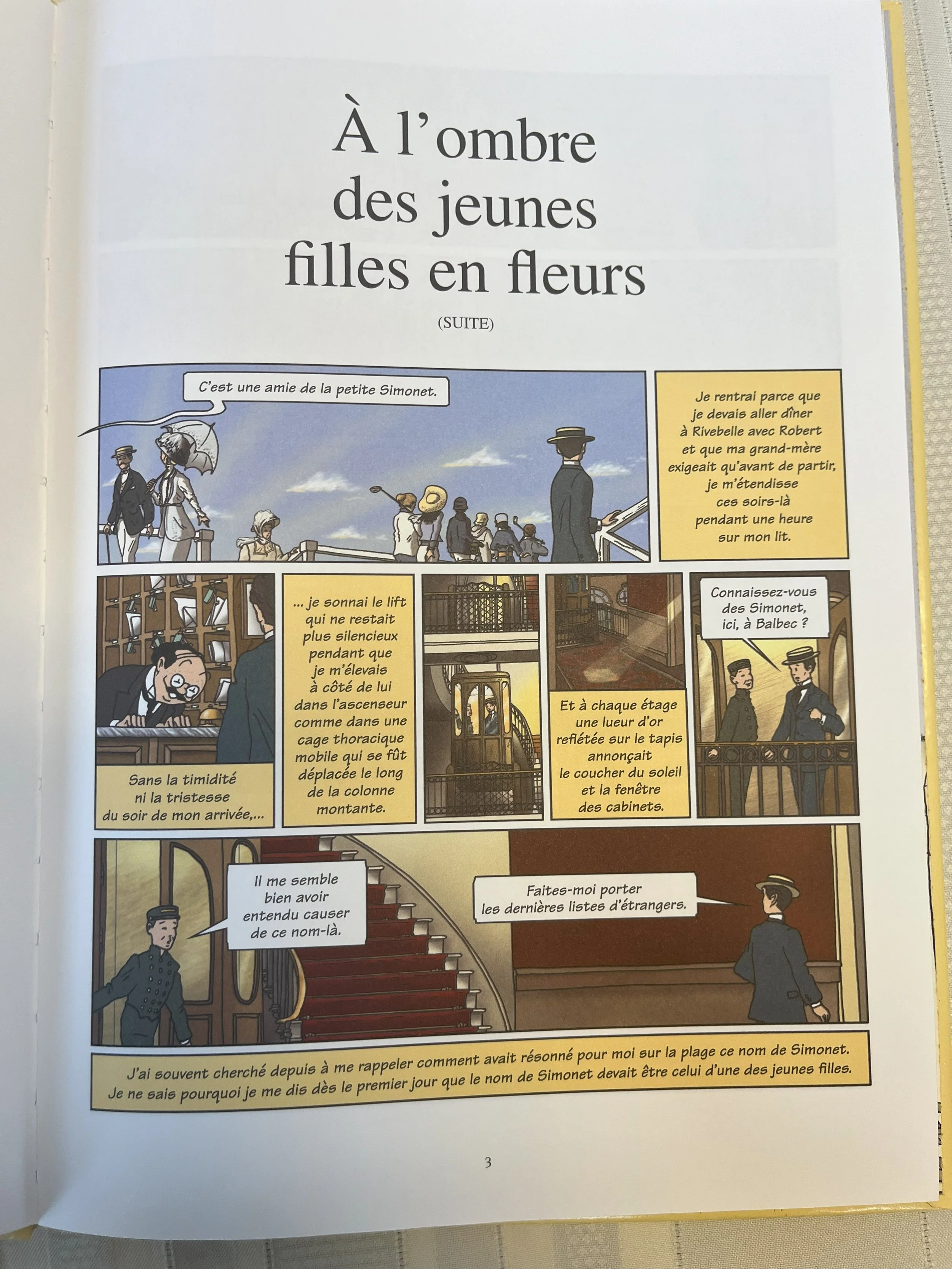 Image 23 of 23